


Today, I wish to discuss the idea of the imitation game. One of the more famous quotes regarding imitation states, “Imitation is the sincerest form of flattery,” is by Charles Colton. Now Confucius had this to say about imitation, “By three methods we may learn wisdom: First, by reflection, which is noblest; second, by imitation, which is easiest; and third by experience, which is the bitterest.” By contrast, Herman Melville apparently held imitation in disdain, or at least some forms of it, when he stated, “It is better to fail in originality than to succeed in imitation.”
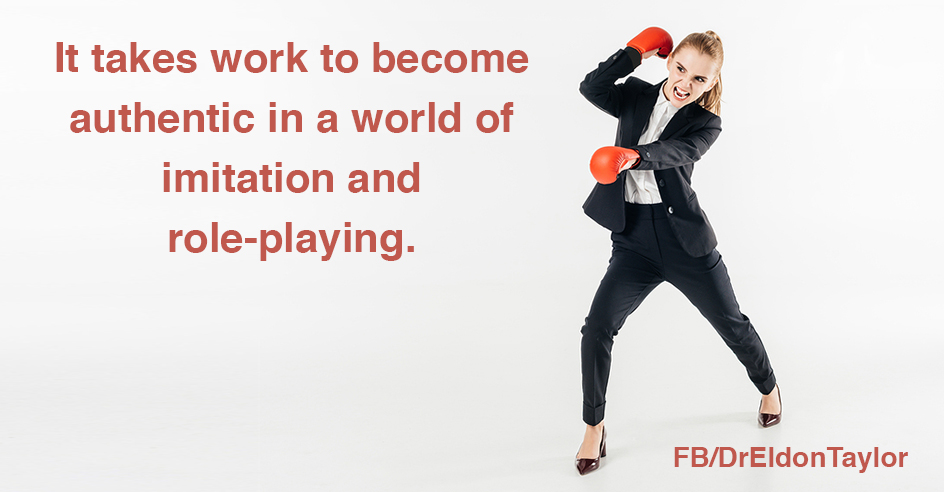
Imitators
We are all imitators and indeed, if we failed to imitate we would without doubt fail to survive as a species—but where do we draw the line between the action of using someone or something as a model and authentic original thinking and behavior?
We learn to walk and talk largely as a result of imitation. Our society values imitation when it comes to hive like thinking but rejects the maverick who might argue against societal values. We all seek to fit in, if for no other reason than we are herd animals dependent upon others for something, including acceptance and security. We all find rejection undesirable and sometimes down right painful.
Emulation
As young people we see adults do things and desire to emulate them. The tough guy or gal smokes, so if we want to think of ourselves as tough, we find smoking attractive. The debutante drinks a martini, so if this is our model, we too choose to drink a martini—never mind the fact that we may hate the taste of gin or vodka. The entrepreneur on Wall Street dresses in a suit and tie, so if this is our ambition, that’s how we dress. The young Silicon Valley genius heading up his new startup company is in flip-flops, with a loud colored open neck shirt hanging loosely over his denim jeans, and so if we wish to emulate him—that’s the look we choose.
We change our clothes and like a chameleon, we can change our manifest personality. I have a friend who is a psychologist and when she changes from her fine office wear to her boots and chaps, and straddles her Harley, everything about her appears to change including the nature of the language she uses. In other words, we take on roles suggestive of the activity or clothing that we wear according to what we have seen and are therefore imitating.
Authentic
Now my question—how authentic is the nature of this sort of behavior? Is it even possible to be authentic in a world of imitation and role-playing?
“It’s all a game,” Robert Laing once wrote. We conform to be accepted, that’s part of the game. We copy to project what we think we want to be—again part of the game. And the game goes on in so many aspects of our lives that perhaps we have, as Laing suggests, so lost ourselves as to live in a continuous state of self-alienation.
Playing the Game
I do know this, you can be aware of the game and still find it almost impossible not to play, if for no more reason than if you let them know you know it’s a game—they won’t let you play. In Laing’s words from his book, Knots, “They are playing a game. They are playing at not playing a game. If I show them I see they are, I shall break the rules and they will punish me. I must play their game, of not seeing I see the game.”
My thoughts anyway, what are yours?
Eldon Taylor
P.S. If you enjoy these newsletters, please remember to share them with your friends and family. There are easy share buttons at the top of this newsletter. Please also be sure to friend Ravinder and me on Facebook as we both love interacting with you all. You can also read (and subscribe to) my regular blog here.
Ravinder’s Commentary
There is a lot of food for thought in this one. How authentic are you? Or does being authentic—your own person—even matter to you? Is it really more important to you that you fit in?
Actually, as a subscriber to the InnerTalk InTouch newsletter, I would bet that you are constantly searching for ways to uncover your authentic self. I know that I am. Fitting in with society may be a great way to keep the peace, but it absolutely quashes originality, which is where true genius resides. While it may be difficult to stop the imitation game, it is certainly possible to prevent it from totally consuming you. That is why I have my own huge library of InnerTalk personal empowerment programs.
As your own sparks of authenticity begin to shine through, then your world will become brighter, richer, and more meaningful.
Wishing you Love, Light, and Laughter, always!
Ravinder Taylor