


The healthiest life isn’t always about adding more.
Sometimes it’s about gently putting something down.
Have you ever noticed how easy it is to forget the things we’ve been carrying for years?
I’m not talking about groceries or laundry. I’m talking about the invisible things—disappointments, old hurts, relationships that ended badly, opportunities we wish we’d taken, or the quiet fear that perhaps it’s too late to change.
We don’t choose to carry these experiences. They simply accumulate over time, becoming part of our story. After a while they become so familiar that we hardly notice them anymore.
The Backpack We Forget We’re Wearing
Imagine wearing a heavy backpack every day. At first you feel every pound. Over time your body adjusts, your muscles compensate, and eventually you stop noticing the weight altogether. Then one day someone quietly lifts the backpack from your shoulders. Suddenly you stand a little taller. Walking feels easier. You wonder how you ever became accustomed to carrying so much. I sometimes think our emotional lives work in much the same way.
The older we become, the more life we have lived. Most of us have experienced loss, disappointment, grief, illness, worry, or periods when life simply felt overwhelming. Those experiences help shape who we become, but they can also leave us carrying emotional burdens long after the experiences themselves have passed. The remarkable thing is that we often forget they’re still there.
More Than Physical Healing
Years ago, while searching for ways to support my recovery from rheumatoid arthritis, I discovered something that surprised me. The journey wasn’t simply about helping my body heal. It was also about healing the parts of me that couldn’t be seen. I learned to forgive, worked on releasing anger, questioned limiting beliefs, reduced stress, and gradually rediscovered hope.
Looking back, I sometimes wonder whether those emotional changes were every bit as important as the physical ones. I honestly don’t know exactly why I experienced a complete recovery, and I’m comfortable saying that. What I do know is that the journey changed me—not just physically, but emotionally as well. It completely reshaped the way I think about health, healing, and the extraordinary relationship between the mind and the body.
Hope Changes More Than Our Mood
While writing Mind Training, I was fascinated by study after study showing that our outlook on life influences far more than our happiness.
One long-term study of nurses found that the most optimistic women experienced significantly lower rates of death from heart disease, stroke, respiratory illness, infection, and even cancer.1 Another study from Johns Hopkins found that even among people with a family history of heart disease, those with a more positive outlook were substantially less likely to experience a heart attack or other cardiovascular event.2
Hope doesn’t replace good medical care, and optimism isn’t a substitute for healthy eating or exercise. What these studies remind us, however, is that our thoughts and emotions are not separate from our bodies. They become part of the environment in which our bodies work every single day.
Stories That Continue to Inspire Me
Over the years we’ve received thousands of letters from people sharing their experiences with InnerTalk. Some describe surprising recoveries while working alongside their doctors. Others tell us they remained healthy while illness spread through their workplace or family. Many don’t speak about illness at all. Instead, they describe sleeping better, worrying less, feeling calmer, or finally letting go of emotional burdens they had carried for decades.
Every story is different, and none proves exactly why a particular outcome occurred. Together, though, they remind me of something I have come to believe deeply.
When we support the whole person—mind, emotions, beliefs, attitudes, and body—we give ourselves the best opportunity to live healthier, richer, and more resilient lives.
Creating a Healthier Internal Environment
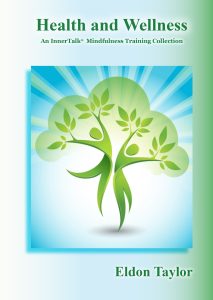
The Health and Wellness library isn’t built around the idea of finding one magic answer. Instead, it brings together programs that address many different aspects of our inner lives, recognizing that our thoughts and beliefs are also part of the wellness picture.
The programs encourage emotional balance, healthier responses to stress, stronger positive beliefs, forgiveness, confidence, and the attitudes that support health and resilience. Rather than focusing on a single issue, the programs work together to create a healthier internal environment.
Just as a garden flourishes when it has rich soil, sunlight, water, and careful attention, our minds and bodies also thrive when we create the right conditions. The purpose of the Health and Wellness library is to help cultivate those conditions, supporting the remarkable healing systems your body already possesses.
One Gentle Question
If you could remove just one stone from the backpack you’ve been carrying, what would it be? An old disappointment? A lingering fear? A resentment? Or perhaps a belief you’ve carried for so long that you’ve forgotten it isn’t really part of who you are.
Awareness is always the first step. Once we recognize the weight we’re carrying, we can begin deciding what no longer needs to come with us.
A Special Opportunity
For a limited time, our complete Health and Wellness library is available at special savings. It includes multiple InnerTalk programs, a companion book, and additional learning resources, all designed to support and strengthen the mental and emotional foundations of health, healing, and resilience.
Regularly valued at $349.55, during this special offer you can get your copy for just $99 (MP3) or $119 (CDs).
If you’re ready to support not only your body’s remarkable healing abilities but also the thoughts and emotions that influence your overall well-being, please explore the complete Health and Wellness library.
And if you’d like to explore the science behind many of these ideas more deeply, I discuss the fascinating relationship between thoughts, emotions, hope, optimism, and health throughout my book, Mind Training.
One Final Thought
Health isn’t simply the absence of illness. It’s the freedom to laugh more easily, worry less, sleep peacefully, and greet each morning with hope instead of fear.
Perhaps the quiet work we do within ourselves is among the greatest gifts we can give our bodies. Sometimes the healthiest thing we can do isn’t to carry more. Sometimes it’s to gently put something down.
Warmly,
Ravinder Taylor
References
- Kim, E. S., Hagan, K. A., et al. (2017). “Optimism and Cause-Specific Mortality: A Prospective Cohort Study.” American Journal of Epidemiology, 185(1), 21-29. Using Nurses’ Health Study data, researchers found substantially lower cause-specific mortality among the most optimistic women, including lower mortality from cancer, heart disease, stroke, respiratory disease, and infection.
- Johns Hopkins Medicine. “The Power of Positive Thinking.” Johns Hopkins Medicine. People with a family history of heart disease who also had a positive outlook were one-third less likely to experience a heart attack or other cardiovascular event over the follow-up period.
*Please note: this is a limited time special offer that expires at 11:59 PM Pacific Time on Monday, November 2, 2026.